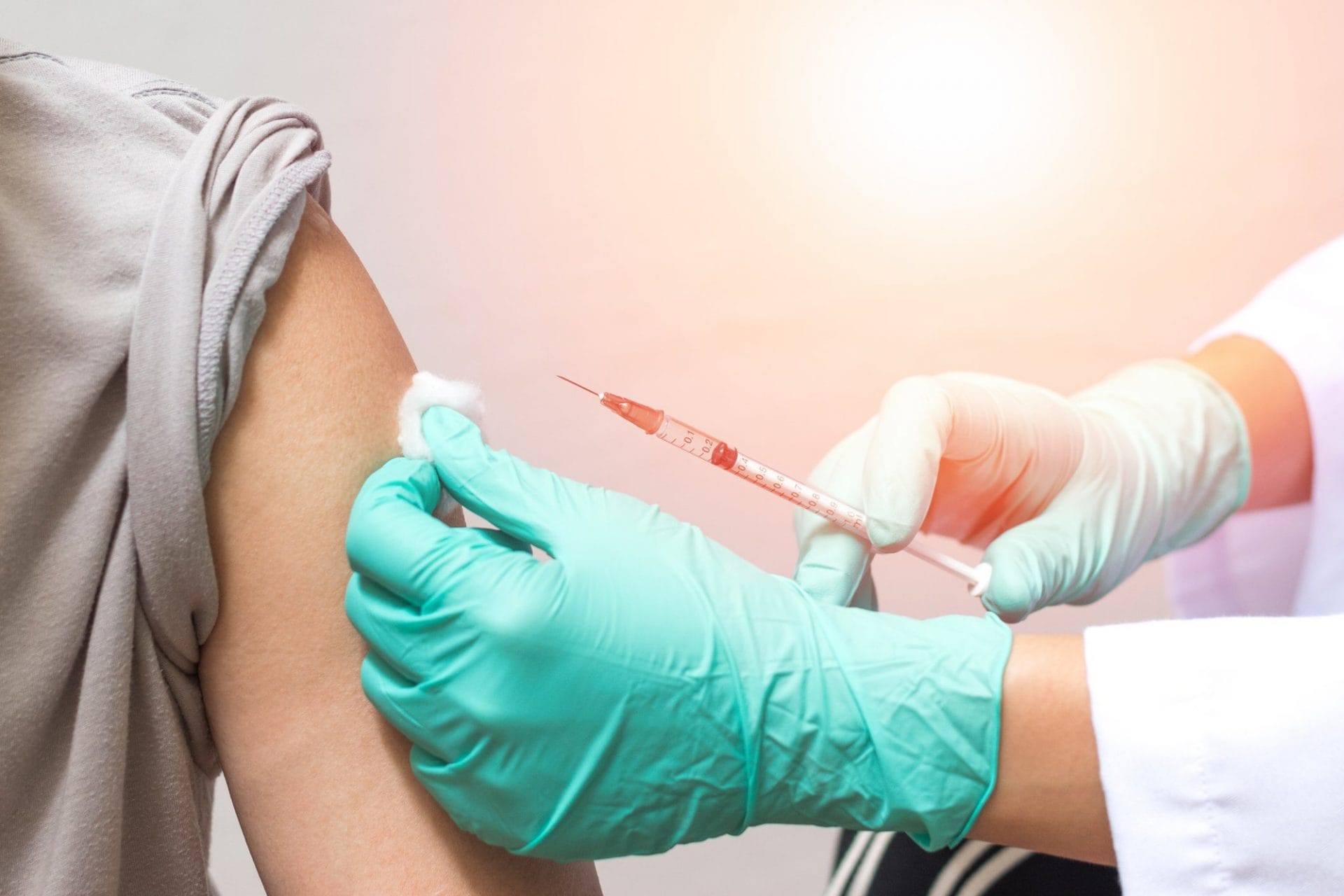
Pfizer wowed the world last week when it reported positive interim efficacy data from phase 3 trials of its coronavirus vaccine candidate. In the days that followed, everyone talked about the potential Pfizer vaccine — and wondered when and how they could get it. The European Commission even finalized an order for the future product after months of discussions. And Pfizer became the leader in the coronavirus vaccine race.
But fast-moving footfalls weren’t far off. Biotech Moderna this week announced positive efficacy data from its own late-stage trial. The next steps for both players: applying for Emergency Use Authorization (EUA) from the U.S. Food and Drug Administration. Right now, it may look like the companies are neck and neck. But in fact, Moderna has sprinted ahead. Here’s one reason why:
A warmer temperature
When we think of vaccines, we think about efficacy and safety. But the success of a vaccine doesn’t stop there. Other behind-the-scenes factors can literally make or break a product’s future. One of those is storage temperature. And this happens to be a weak point for Pfizer’s investigational vaccine, which requires an ultra-low storage temperature — negative 94 degrees Fahrenheit. That makes storage a challenge and an expense. Most vaccines only need standard refrigerator temperatures of 35 degrees Fahrenheit to 46 degrees Fahrenheit.


